內容簡介
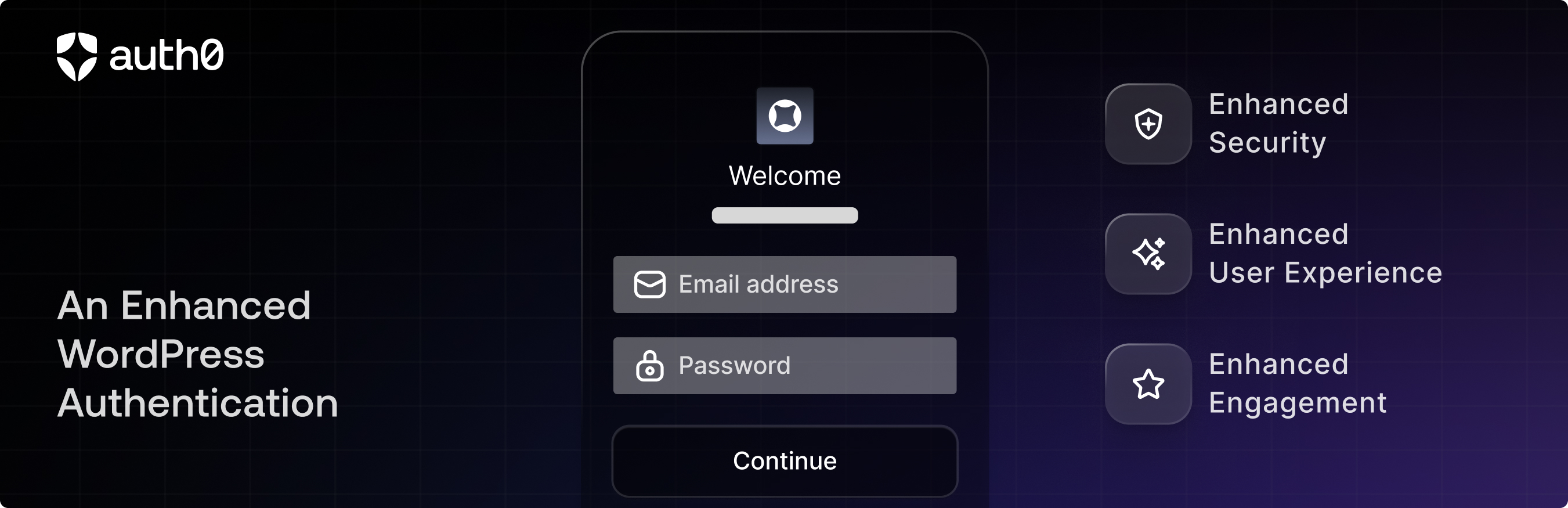
這個外掛會以 Auth0 為基礎,取代標準 WordPress 登入表單,具有以下功能:
通用身分驗證
超過 30 個社交登入提供者
企業連接 (ADFS、Active Directory / LDAP、SAML、Office 365、Google Apps 等)
連接自己的資料庫
無密碼連接 (使用電子郵件或簡訊)
極高的安全性
多重認證
密碼原則
電子郵件驗證
防止暴力破解攻擊
技術說明
重要提示:使用這個外掛以後,網站的身分驗證和個人檔案處理會仰賴 Auth0。這表示您不再使用 WordPress 資料庫來驗證使用者身分,標準的 WordPress 登入表單會被取代。
請參閱我們的 How It Works 頁面 以瞭解 Auth0 如何進行身分驗證,以及如何管理您的使用者。
遷移現有的使用者
Auth0 允許多個驗證提供者。您可以有社交提供者,例如 Facebook、Twitter、Google+ 等等,或者擁有使用者資料和密碼的資料庫 (就像 WordPress 一樣,但是存放在 Auth0),或者使用企業目錄,如 Active Directory、LDAP、Office365、Google Apps 或 SAML。所有這些驗證提供者可能會給您一個電子郵件和一個標誌,指示該電子郵件是否已驗證。我們使用那個電子郵件 (僅在已驗證的情況下) 來將之前現有的使用者與 Auth0 中的使用者關聯起來。
如果電子郵件未經驗證,並且 WordPress 中已經有這個電子郵件的帳號,使用者會看到一個頁面,說明該電子郵件未經驗證,並提供一個「重新發送驗證電子郵件」的鏈接。對於這兩種情況,您可以在外掛設定中選擇使用者是否必須要有驗證過的電子郵件。
請注意:為了讓使用者使用 Auth0 登入,他們需要透過 Auth0 登入表單註冊帳號 (或者他們的帳號是透過 Auth0 建立的)。註冊完成後,他們的 Auth0 使用者將自動與他們的 WordPress 使用者關聯起來。
小工具
您可以啟用 Auth0 作為 WordPress 小工具,以在側邊欄中顯示它。這個小工具會繼承主要外掛的設定,但可以在小工具表單中覆寫自己的設定。注意:此表單不會顯示給已登入的使用者。
短碼
您也可以在編輯器中使用 Auth0 小工具的短碼。只需添加以下內容即可使用全域設定:
[auth0]
與小工具一樣,短碼登入表單會使用主要外掛的設定。您可以通過添加以下屬性來進行自訂:
icon_url – 登入表單頂部使用的直接 URL 連接圖像
form_title – 登入表單頂部顯示的文字
gravatar – 顯示使用者的 Gravatar;輸入 1 表示啟用
redirect_to – 成功登入後使用的直接 URL 連接
dict – 有效的 JSON,用於覆寫表單文字 (請在此查看選項)
extra_conf – 有效的 JSON,用於覆寫 Lock 的配置 (請在此查看選項)
show_as_modal – 顯示一個按鈕以在模態方式下顯示登入表單;輸入 1 表示啟用
modal_trigger_name
外掛標籤
開發者團隊
📦 歷史版本下載
原文外掛簡介
This plugin replaces standard WordPress login forms with one powered by Auth0 that enables:
Universal authentication
Over 30 social login providers
Enterprise connections (ADFS, Active Directory / LDAP, SAML, Office 365, Google Apps and more)
Connect your own database
Passwordless connections (using email or SMS)
Ultra secure
Multifactor authentication
Password policies
Email validation
Mitigate brute force attacks
Technical Notes
IMPORTANT: By using this plugin you are delegating the site authentication and profile handling to Auth0. That means that you won’t be using the WordPress database to authenticate users and the default WordPress login forms will be replaced.
Please see our How It Works page for more information on how Auth0 authenticates and manages your users.
Migrating Existing Users
Auth0 allows multiple authentication providers. You can have social providers like Facebook, Twitter, Google+, and more, a database of users and passwords (just like WordPress but hosted in Auth0), or you can use an Enterprise directory like Active Directory, LDAP, Office365, Google Apps, or SAML. All those authentication providers might give you an email and a flag indicating whether the email was verified or not. We use that email (only if it is verified) to associate a previous existing user with the one coming from Auth0.
If the email was not verified and there is an account with that email in WordPress, the user will be presented with a page saying that the email was not verified and a link to “Re-send the verification email.” For either scenario, you can choose whether it is mandatory that the user has a verified email or not in the plugin settings.
Please note: In order for a user to log in using Auth0, they will need to sign up via the Auth0 login form (or have an account created for them in Auth0). Once signup is complete, their Auth0 user will be automatically associated with their WordPress user.
Widget
You can enable Auth0 as a WordPress widget in order to show it in a sidebar. The widget inherits the main plugin settings but can be overridden with its own settings in the widget form. Note: this form will not display for logged-in users.
Shortcode
Also, you can use the Auth0 widget as a shortcode in your editor. Just add the following to use the global settings:
[auth0]
Like widgets, shortcode login forms will use the settings of the plugin. It can be customized by adding the following attributes:
icon_url – A direct URL to an image used at the top of the login form
form_title – Text to appear at the top of the login form
gravatar – Display the user’s Gravatar; set to 1 for yes
redirect_to – A direct URL to use after successful login
dict – Valid JSON to override form text (see options here)
extra_conf – Valid JSON to override Lock configuration (see options here)
show_as_modal – Display a button that triggers the login form in a modal; set to 1 for yes
modal_trigger_name – Button text to display when using a modal
Example:
[auth0 show_as_modal="1" modal_trigger_name="Login button: This text is configurable!"]
Note: this form will not display for logged-in users.