外掛標籤
開發者團隊
原文外掛簡介
AI assistants like ChatGPT, Perplexity, Gemini and Claude are becoming a real traffic source, and a real audience for your content. Unlike single-purpose llms.txt generators, SanityAI Visibility Toolkit covers the full AI channel in one lightweight plugin: measurement (referral attribution across six analytics stacks and a real crawler activity log), control (per-bot robots.txt management, including physical files), and visibility (multilingual llms.txt):
1. llms.txt generation
Automatically serves a machine-readable guide to your site at /llms.txt, following the llms.txt convention. AI assistants can use it to understand your site structure and cite your best content. Choose which content types to include, how many items, whether to append descriptions, and which posts to exclude. Multilingual sites are fully supported: with WPML or Polylang active, every language gets its own sections. Cached and regenerated when content changes.
2. AI crawler control
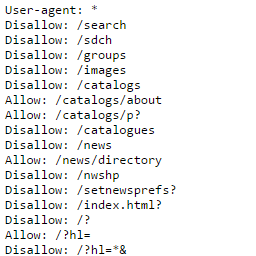
Decide, bot by bot, which AI crawlers may access your site, with a plain-language explanation of what each block actually costs you. The plugin distinguishes:
Training crawlers (GPTBot, ClaudeBot, Google-Extended, CCBot, Bytespider, Meta-ExternalAgent, Applebot-Extended): blocking opts your content out of model training.
Search crawlers (OAI-SearchBot, PerplexityBot): blocking removes your site from that engine’s AI answers and citations. Know the trade-off before you block.
On-demand fetchers (ChatGPT-User): fetch pages when a user shares your link with an AI.
Rules are added to WordPress’s robots.txt. Nothing is blocked by default.
3. AI referral attribution
Detects visitors arriving from ChatGPT, Perplexity, Gemini, Claude, Copilot, Grok, DeepSeek, Meta AI, Mistral and more, using both the referrer and utm_source/ref parameters (AI platforms increasingly strip referrers, so UTM detection matters). Fires an ai_referral event with an ai_source parameter into your existing GA4 (gtag) or Google Tag Manager (dataLayer) setup, once per session.
Register ai_source as a GA4 custom dimension and you can segment any report by AI platform, build AI-traffic audiences, and see whether AI-referred visitors convert differently.
4. AI crawler activity log
See which AI crawlers actually visit your site: a 30-day count of real GPTBot, ClaudeBot, PerplexityBot (and more) visits, shown on your dashboard and settings screen. Identification is by user agent, so treat numbers as directional.
Plays well with your stack
The plugin detects your environment and tells you the truth about it instead of showing settings that silently do nothing:
Physical robots.txt (created by hosts or SEO plugin file editors): one click writes your rules into the file as a clearly-marked managed block, kept in sync on every save and removed on uninstall.
SEO plugins (Yoast, Rank Math, AIOSEO, SEOPress): posts marked noindex are excluded from llms.txt automatically, SEO meta descriptions are used for entries, and llms.txt/robots.txt feature overlaps are flagged.
Analytics: works with gtag, Google Tag Manager, MonsterInsights, Matomo, Plausible and Fathom automatically, with a retry window for delayed-loading analytics.
WooCommerce: cart/checkout/account pages are excluded from llms.txt, and product entries include prices.
Page builders: builder-generated shortcode content never produces garbage descriptions.
Caches: WP Rocket, LiteSpeed, W3 Total Cache, WP Super Cache and SiteGround Optimizer are purged when settings change.
Site Health: two checks confirm llms.txt is reachable and crawler rules actually apply.
Per-post “Exclude from llms.txt” checkbox in the editor, WP-CLI commands (wp avt status, wp avt regenerate), and a REST endpoint (/wp-json/sanivt/v1/sources) for headless front ends.
Privacy
This plugin sends no data to SanityAI or any third party. Attribution events go only to the analytics tools already installed on your site. No external requests are made.
Built by SanityAI. The attribution logic is kept in sync with our free “AI Traffic Source” template in the Google Tag Manager Community Template Gallery, so WordPress-side and GTM-side classification always agree.